


Gate valves: Spanish manufacturer
KTN Valves manufactures gate valves from 1/2″ to 24″ for water, oil, gas and acids, with service temperatures from −29 °C to 425 °C. We produce in forged carbon steel, cast carbon steel and stainless steel, with four connection types and API 600 or API 602 design depending on the execution.
Talk to one of our valve specialists
Filter
Showing all 8 results
-

CARBON STEEL GATE VALVE ANSI FLANGED
-
GATE VALVE ANSI FLANGED STEEL FORGED BODY
-
GATE VALVE NPT THREAD STEEL FORGED BODY
-
GATE VALVE WITH NPT THREAD
-
GATE VALVE WELLDABLE ENDS IN FORGED STEEL
-
STAINLESS STEEL FORGED GATE VALVE WITH WELLDABLE ENDS
-
STAINLESS STEEL BODY GATE VALVE ANSI FLANGED
-
CARBON STEEL GATE VALVE WITH DIN FLANGES


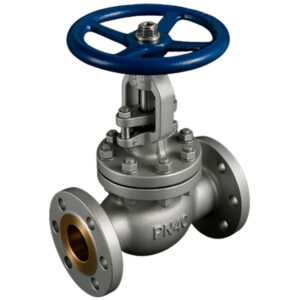
Ask a quotation
Request a quote for gate valves: tell us the DN, material, mounting type (wafer, lug or clamp), seat, pressure and temperature and we will send you a customized offer with the best price and lead time.
Gate valves
GENERAL GATE VALVES DESCRIPTION
| Item | Value |
|---|---|
| Sizes | 1/2″ to 24″ (forged from 1/2″, cast from 2″) |
| Service temperature | −29 °C to 425 °C |
| Media | Water, oil, gas and acids |
| Body materials | Forged carbon steel, cast carbon steel, stainless steel |
| Connections | ANSI flanged, DIN flanged, NPT thread, SW/BW |
| Design standards | API 600, API 602 / EN ISO 15761, ASME B16.34 |
| Leak test | API 598 |
| Function | On/off isolation, two-way |
| Quality | PED Module H (Bureau Veritas), ISO 9001:2015 (SGS), certificate of origin |


Category overview
A gate valve is an isolation valve that opens or shuts the bore by moving a wedge perpendicular to the flow. KTN manufactures the whole family, with bodies in forged carbon steel, cast carbon steel or stainless steel depending on class and size.
Its advantage is geometric: with the valve open, the wedge leaves the flow and the bore keeps its full nominal size. Pressure drop is almost zero and shut-off works the same in both directions. It remains the standard choice to isolate main lines for water, steam, hydrocarbons and auxiliary services.
The category is organised by connection type, because that parameter decides the whole execution: forged or cast body, pressure class and in-line installation. All four are linked below.
How to choose the right gate valve
Six data points are enough: size, working pressure, temperature, fluid, body and trim material, and connection type. With those six, our technical office defines the execution and issues the quotation.
- Size. Forged from 1/2″ to 2″; cast flanged from 2″ upward.
- Pressure and class. Forged executions cover class 800; large cast bodies follow API 600 with the ASME B16.34 pressure-temperature relationship, in class 150 to 1500.
- Temperature. The family range is −29 °C to 425 °C. Outside it, body material, gasket and gland change.
- Fluid. Water, oil, gas and acids. The fluid decides the seat material and the wedge finish.
- Connection. Flanges, thread or weld ends; it also sets the space needed for maintenance.
- Stem type and operation. Rising or non-rising, with handwheel or multi-turn actuator.
A common mistake is sizing to the pipework without checking the process temperature. The allowable pressure of a class falls as temperature rises, and ASME B16.34 sets that curve.
Applications and sectors
KTN gate valves go where a line must be fully isolated without penalising pumping. They cover water, oil, gas and acids between −29 °C and 425 °C.
- Water and wastewater. Isolation of headers, pump bypasses and treatment plants, with the line at full bore. This is the typical use of the gate valve for water.
- Oil and gas. Isolation of process and service lines, with forged class 800 executions in small sizes and cast bodies on main lines.
- Chemicals and acid handling. Stainless body and trim when the fluid requires it.
- Steam and auxiliary services. Isolation of branches, drains and vents within the family temperature range.
Types and executions we manufacture
KTN builds solid and flexible wedges, with rising or non-rising stems. The first table sums up these executions and their limits; the second leads to the four subcategories by connection.
| Execution | Behaviour | When to choose it |
|---|---|---|
| Solid wedge | One-piece disc, maximum mechanical strength | Water and clean fluids with moderate thermal swings |
| Flexible wedge | Slotted disc that absorbs body expansion | Thermal cycling service within −29 °C to 425 °C |
| Rising stem | The stem rises with the wedge and shows the position | When you need to see whether the valve is open and there is headroom |
| Non-rising stem | The stem turns without moving; the thread stays out of the flow | Pits, trenches and low-headroom spaces |
| Subcategory | Connection | Range and class or PN | When to choose it |
|---|---|---|---|
| ANSI flanged gate valves | ANSI flanges | 2″ to 24″, class 150 to 1500, API 600 / API 602 | Main process lines to the American standard and frequent removal |
| DIN flanged gate valves | DIN EN 1092-1 flanges | DN40 to DN300, PN16 and PN40 | European installations with metric pipework |
| Socket weld and butt weld gate valves | BW or SW ends | Forged class 800, 1/2″ to 2″, ASME B16.11 and B16.25 | Services with no gasket leak path and high pressure in small sizes |
| NPT threaded gate valves | NPT thread | Forged class 800, 1/2″ to 2″, ASME B1.20.1 | Small branches, drains and vents with quick fitting |
What a gate valve is and how it works
It is an on/off valve: the wedge moves in a straight line, perpendicular to the flow, guided by the stem. Open, the wedge sits in the bonnet and the fluid passes through the full section; shut, it bears against the two body seats and blocks the bore in both directions.
A gate valve is not for throttling. At partial opening, fluid passes through a narrow gap at high velocity, the jet erodes the wedge edge and seats, and the wedge vibrates against its guides. The result is seat leakage within months. If the service calls for modulation, the right family is the globe valve or a control valve. The gate valve is used open or shut, never half way.
Two-way sealing and pressure drop. With the valve open, nothing stays in the flow: pressure drop is almost zero and shut-off works the same in both directions. That is why it is chosen to isolate large lines: a butterfly or globe valve of the same size would add a pressure drop paid for in pumping energy.
Compared with other isolation options. The ball valve is quarter-turn, closes in one fast movement and also leaves zero pressure drop at full bore: it is preferred for frequent operation or immediate shut-off. The butterfly valve is more compact and cheaper in large sizes, but its disc stays in the flow and always creates an obstruction. The gate valve wins when size is large, operation infrequent and a clear full bore is required.
Materials, wedges and seats
KTN makes the body in forged carbon steel, cast carbon steel and stainless steel. The practical rule: forged for small sizes and high pressure, cast for large sizes, stainless when the fluid is corrosive or the process demands cleanliness.
- Forged carbon steel. Compact class 800 body, typical of threaded and weld end executions in small sizes.
- Cast carbon steel. The base of large flanged executions, API 600 design.
- Stainless steel. For acids and services where carbon steel does not last. The reference execution is in the ANSI flanged gate valves.
The wedge ships solid or flexible, with integral or renewable seats in the body. Seat material is defined by fluid and temperature. All orders ship with a certificate of origin, and the EN 10204 3.1 material certificate is issued on request for heat traceability.
Connections, standards and operation
We build the four connections of the family to these standards: ANSI flanges to ASME B16.5, metric flanges to DIN EN 1092-1, thread to ASME B1.20.1 and weld ends to ASME B16.11 and ASME B16.25. Pressure-temperature and face to face follow ASME B16.34, design meets API 600 for large flanged executions and API 602 / EN ISO 15761 for forged class 800, and leak testing is to API 598.
On flanged executions the face finish must also be set, as it determines the gasket and the bolt torque. The types are detailed in our guide to flange face types.
Operation. The gate valve can be automated. Since the stem makes several turns of travel, it needs a multi-turn actuator, electric or pneumatic; a quarter-turn actuator like that of a ball or butterfly valve will not do. For a motorised gate valve, state the fail-safe position, voltage and signal type; the options are under valve automation. In manual service, the handwheel is sized to operate at the maximum differential pressure of the line.
Buying gate valves direct from the manufacturer
KTN sells its production with no intermediary. The quotation is prepared by our technical office from your line data, not by a configurator.
To quote we need: DN or inches, working pressure and class or PN, temperature, fluid, body and trim material, connection type, rising or non-rising stem, and any actuator with its type. We then confirm whether the size is in stock or built to drawing.
We keep common sizes in stock and build the rest to drawing, including special material or stem executions. Send your request through the contact form or call +34 937 818 219 from 8:00 to 19:00 (Madrid time); we also answer at ktn@ktnvalves.com.
Why choose KTN as your gate valve manufacturer
KTN Valves (Kara Technology News, S.L.) is a Spanish industrial valve manufacturer based in Barcelona. The design, manufacture, final inspection and testing of our pressure equipment are certified under the Pressure Equipment Directive 2014/68/EU, Module H, by Bureau Veritas (notified body 0056). Our quality management system is certified to ISO 9001:2015 by SGS. Every order ships with a certificate of origin, and manufacturing in Spain means a drawing change is settled directly with the workshop that machines the part. See all our certifications.
- Own manufacture, with no distributor between the workshop and your store.
- Built to drawing. Non-standard sizes, materials and stems.
- Standards applied. API 600, API 602 / EN ISO 15761, ASME B16.34 and API 598 testing.
- Stock and technical support. Common sizes available and a technical office that checks the specification before quoting.
Related categories
- Industrial valves: the full KTN catalogue by family, if the valve type is not yet decided.
- Ball valves: for frequent operation and fast quarter-turn shut-off with full bore.
- Butterfly valves: the compact, economical option in large sizes when the disc in the flow is acceptable.
- Globe valves: the right family when the service requires throttling flow.
- Check valves: to stop backflow with no external operation.
- Control valves: for continuous modulation driven by a control signal.
Frequently asked questions
What is a gate valve used for?
It is used to isolate a line: it opens or shuts the bore completely. With the valve open, the wedge leaves the flow and the pipe stays at full bore, with almost zero pressure drop and two-way shut-off. KTN builds it from 1/2″ to 24″ for water, oil, gas and acids, between −29 °C and 425 °C.
Can a gate valve be used to throttle flow?
No. At partial opening, fluid passes throttled at high velocity, erodes the wedge edge and seats, and the wedge vibrates against its guides; the result is seat leakage. The gate valve only works fully open or shut. To throttle flow, the right family is the globe valve or the control valve.
What is the difference between a rising and a non-rising stem?
With a rising stem, the stem rises with the wedge and shows whether the valve is open, but it needs headroom. With a non-rising stem, the stem turns without moving: it saves space in pits and trenches and keeps the thread out of the fluid. KTN builds both executions.
Which sizes, temperatures and materials does KTN make in gate valves?
KTN builds gate valves from 1/2″ to 24″, with service temperatures from −29 °C to 425 °C, for water, oil, gas and acids. Body materials are forged carbon steel, cast carbon steel and stainless steel. Design meets API 600 or API 602 / EN ISO 15761 depending on the execution.
Can a gate valve be motorised?
Yes. The gate valve is automated with a multi-turn actuator, electric or pneumatic, because the stem makes several turns of travel. A quarter-turn actuator, common on ball and butterfly valves, does not suit this family. To quote a motorised gate valve, state the control voltage or pressure, fail-safe position and signal type.
How do I request a quote from a gate valve manufacturer?
Write to ktn@ktnvalves.com, use the contact form or call +34 937 818 219 from 8:00 to 19:00. State DN or inches, working pressure and class or PN, temperature, fluid, body and trim material, connection type, stem type and any actuator. The technical office prepares the quotation.