


Gate valves
KTN Valves is a European gate valve manufacturer based in Rubí (Barcelona), Spain. A gate valve shuts off flow with a wedge that a stem raises and lowers, always working fully open or fully closed. KTN manufactures gate valves in forged class 800 steel to API 602 and cast WCB to API 600, with ANSI flanges, DIN flanges, NPT thread and welded ends.
Filter
Showing all 8 results
-

CARBON STEEL GATE VALVE ANSI FLANGED
-

GATE VALVE ANSI FLANGED STEEL FORGED BODY
-

GATE VALVE NPT THREAD STEEL FORGED BODY
-

GATE VALVE WITH NPT THREAD
-
GATE VALVE WELLDABLE ENDS IN FORGED STEEL
-

STAINLESS STEEL FORGED GATE VALVE WITH WELLDABLE ENDS
-

STAINLESS STEEL BODY GATE VALVE ANSI FLANGED
-
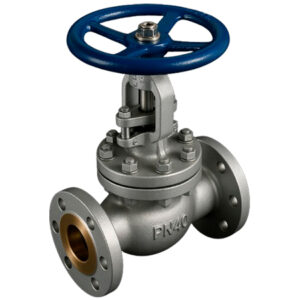
CARBON STEEL GATE VALVE WITH DIN FLANGES
Ask a quotation
Request a quote for gate valves: tell us the DN, material, mounting type (wafer, lug or clamp), seat, pressure and temperature and we will send you a customized offer with the best price and lead time.
Gate valves
GENERAL GATE VALVES DESCRIPTION
| Item | Specification |
|---|---|
| Manufacturer | KTN Valves (Kara Technology News, S.L.), Rubí, Barcelona, Spain |
| Types | ANSI flanged, DIN flanged, NPT threaded, butt weld and socket weld ends |
| Wedge and stem | Solid or flexible wedge; rising stem (OS&Y) or non-rising stem |
| Materials | Forged A105 and F316, cast A216 WCB, stainless steel AISI 316/316L |
| Connections | ASME B16.5, EN 1092-1, NPT ASME B1.20.1, socket weld B16.11, butt weld B16.25 |
| Pressure | Class 150-300 flanged, class 800 forged, PN10-PN40 on DIN flanges |
| Design standards | API 600 (cast body), API 602 (compact forged), API 6D |
| Certification | ISO 9001, Bureau Veritas inspection, certificate of origin, 3.1 material certificate on request |
What a gate valve is and what it is used for
A gate valve isolates pipeline sections with the lowest pressure drop of any valve family. With the wedge fully lifted, the bore is straight and aligned with the pipe, so the fluid meets no direction change and no obstruction inside the body. That full bore keeps gate valves standard on long water, steam and hydrocarbon lines.
The valve has two working positions only: fully open or fully closed. Part-open, the fluid accelerates through a narrow gap and makes the wedge chatter against its guides; the chattering pulls the seal off centre and the jet erodes the seat face and the lower edge of the wedge. A gate valve used for throttling loses tightness quickly. For flow regulation, specify a globe valve or a control valve.
Gate valve versus ball valve: the gate valve gives a straight bore and minimum pressure drop on large diameters and infrequent duty; the ball valve closes in a quarter turn and seals better on soft PTFE seats, up to class VI to ANSI/FCI 70-2. Choose a ball valve where the line is operated daily or bubble-tight shut-off is mandatory, a gate valve where the line stays open and pumping energy governs.


Gate valve types we manufacture
KTN manufactures the full gate valve range by connection and execution:
- ANSI flanged gate valves: class 150-300 to ASME B16.5, in WCB, AISI 316 and forged steel, for process plants built to American standards.
- DIN flanged gate valves: EN 1092-1 flanges PN10-PN40, the European standard for water, steam and process duty.
- NPT threaded gate valves: forged class 800 for small bore, instrument take-offs and drains.
- Butt weld and socket weld gate valves: forged class 800 with no dismountable joints, for steam, thermal oil and hydrocarbons.
Rising stem (OS&Y) or non-rising stem
A rising stem travels upwards with the wedge: valve position is readable from a distance and the thread sits outside the fluid, protected from corrosion. It needs headroom above the handwheel of roughly one extra nominal diameter. A non-rising stem rotates without translating and keeps overall height constant, which makes it mandatory in pits, trenches, suspended ceilings and congested pipe racks. In exchange, the thread runs immersed in the fluid and visual position indication is lost.
Solid wedge or flexible wedge
A solid wedge is one robust, economical piece, suited to water, saturated steam and general service. A flexible wedge carries a perimeter groove that lets it flex by a few hundredths of a millimetre and absorb body distortion caused by thermal expansion or flange bolt-up. Specify it for superheated steam, thermal oil and lines with wide thermal cycles, where a solid wedge can bind against the seats.
Materials and seats
KTN machines bodies from forged A105 and F316 in class 800, cast A216 WCB to API 600 and stainless steel AISI 316/316L. Forged steel has directional grain flow and no casting porosity, so it covers the most severe pressures and temperatures in small and medium bore. Cast bodies become more cost-effective from DN80 upwards and allow heavier wall sections. Seats are ground metal-to-metal and accept stellite or tungsten carbide hardfacing for abrasive fluids. Bolted bonnet, adjustable graphite gland packing and, on request, fugitive emission testing to ISO 15848.
Connections and standards
The range covers ANSI B16.5 flanges class 150-300, DIN EN 1092-1 flanges PN10-PN40, NPT thread to ASME B1.20.1, socket weld to ASME B16.11 and butt weld to ASME B16.25. Design follows API 600 for cast bodies, API 602 for compact forged class 800 and API 6D for pipeline execution. Check the DN to inches conversion table and the flange face types before closing a specification.
How to select a gate valve
- Function: confirm the duty is on/off isolation. Any throttling requirement rules the gate valve out.
- Connection: flanged when the valve must come out for maintenance; welded or threaded to remove leak paths at high pressure.
- Material: WCB for water and steam; AISI 316 for corrosives; forged A105 or F316 for higher classes.
- Pressure: class 150-300 or PN10-PN40 flanged, class 800 forged threaded and welded.
- Wedge and stem: measure headroom before choosing between OS&Y and non-rising stem; flexible wedge where thermal cycling occurs.
- Operation: direct handwheel on most sizes, gear operator where manual torque becomes excessive.
Applications and industries
KTN gate valves work in petrochemical, chemical, oil & gas, power generation, steam and thermal oil circuits, water treatment and desalination, pulp and paper, mining, marine and HVAC. They stay open on main lines and close to isolate a pump, a vessel or a section during a maintenance shutdown.
Buying gate valves direct from the manufacturer
Buying from KTN means buying at the factory gate, with no distributor in between. KTN holds stock of the most common materials and sizes for immediate despatch, issues a certificate of origin with every order and manufactures special executions to drawing. Send DN, pressure class, body material, connection, fluid and service temperature and the technical team returns a quotation with price and lead time. Distributor enquiries are welcome.
Why KTN
KTN Valves (Kara Technology News, S.L.) is a manufacturer with its head office and plant in Rubí, Barcelona. Production runs in its own facilities under an ISO 9001 quality system, with Bureau Veritas inspection, a certificate of origin on every shipment and 3.1 material certificates on request. Valves are made in Spain.
Related categories
For flow regulation, see globe valves. For quarter-turn shut-off, ball valves. For economical large bore isolation, butterfly valves. To stop reverse flow, check valves. The full range is under industrial valves.
Frequently asked questions
Can a gate valve be used to throttle flow?
No. A gate valve works fully open or fully closed. Part-open, the wedge chatters against its guides and the jet erodes the seat, so the valve stops sealing. For flow regulation, specify a globe valve or a control valve, both designed to operate partly open with a hardfaced trim.
Cast WCB or forged class 800 gate valve?
Cast A216 WCB to API 600 covers general service and becomes more cost-effective from DN80 upwards. Forged A105 or F316 class 800 to API 602 has directional grain flow and no casting porosity, so it withstands higher pressures and temperatures in small and medium bore, typically threaded or welded.
Rising stem OS&Y or non-rising stem?
A rising stem shows valve position at a glance and keeps the thread out of the fluid, but needs headroom above the valve of roughly one extra nominal diameter. A non-rising stem keeps overall height constant and wins in pits, trenches and congested pipe racks, at the cost of visual position indication.
When is a flexible wedge needed instead of a solid wedge?
Specify a flexible wedge where the line sees wide thermal cycles: superheated steam, thermal oil, or frequent start-ups and shutdowns. Its perimeter groove absorbs body distortion and prevents the wedge from binding in the seats. For water, saturated steam and general service, a solid wedge is sufficient and cheaper.
Do you hold stock and what does a gate valve cost?
KTN holds the most common materials and sizes in stock for immediate despatch. Price depends on DN, pressure class, body material and connection. Buying direct from the manufacturer removes the distributor margin. Request a quotation stating DN, class, material and service conditions, and KTN returns price and lead time.
Request a quotation
Ask KTN for gate valve pricing direct from the factory. State DN, pressure class, material, connection, fluid and temperature and KTN returns a tailored offer with price and lead time. Phone +34 937 818 219, email ktn@ktnvalves.com, 8:00 to 19:00.